
Aluminium tube Five Myths Buyers Still Believe
On most sites, what follows is an engineer’s view of the choices, written for buyers who have to defend their decisions internally. This article sets out what is accurate, what is outdated, and what it means in practice., and it is a question of discipline rather than equipment. Treating all aluminium as one material is the most expensive misunderstanding in the industry, because a 1050 and a 7075 behave nothing alike. Most corrosion stories about aluminium come from the wrong alloy in the wrong environment.
From the buyer’s side, recycled metal is produced to a specification; the feedstock is not the specification. Anodising changes the surface rather than covering it, which explains both its durability and its colour behaviour. Aluminium is compared with steel on strength far too often and on stiffness per kilogram far too rarely. Cost per finished part is the only comparison that includes machining, scrap and handling. A myth usually survives because it was once true for one specific application. Both sides tend to agree on this one., and the practical test is a short production run. Material can be supplied with dimensional reports, certificates and third-party inspection where the customer’s own procedures require it., and it is the detail that makes a repeat order routine. Two measurements of the same feature can disagree, which is why the method belongs in the specification., which is why that detail is normally written into the purchase order. It is a small point, and it frequently decides the outcome.; that is where a new source usually loses the order. The detail is small and the consequence is not., and that single figure explains most of the variation seen later.
A trial batch measured at the customer’s own works is the most reliable way to compare two sources, and it costs very little. Because the material is supplied in long lengths, the cut length and the packing arrangement matter as much as the metallurgy. Grade selection determines formability, corrosion behaviour, weldability, machinability and price, all at once. Working with aluminium tube, the third delivery is what tells a buyer whether the source is dependable. — it shows up in the reject bin before it shows up in a report. On paper, nothing here is specific to one market. Most corrosion stories about aluminium come from the wrong alloy in the wrong environment., and the commercial effect appears well before the technical one. The same logic holds for the neighbouring sizes in the range. — it carries more weight than the headline price. It shows up in the first week of production., so it is the kind of risk that is cheap to remove early. A supplier that documents its own deviations is easier to work with than one that does not., so the shop floor settles it long before the meeting does. Every specification has one figure that carries the commercial weight, and it is rarely the tightest one., so the effect is small per part and large per year. It is agreed once and then taken for granted., which is why it is measured rather than discussed in most plants. The sequence matters more than the individual steps.; it survives contact with production, which is the real test.
On working drawings, export shipments are produced against ASTM, EN or DIN specifications according to the destination market.
The production route behind material of this kind runs from billet through extrusion and drawing, which is what allows the wall to be controlled. Anodising is not a paint and not a coating that can flake; it is a conversion of the surface into an oxide layer. A specification for aluminium tube is normally written around the process the material will go through rather than around a catalogue figure. In the field, a myth usually survives because it was once true for one specific application. Cost per finished part is the only comparison that includes machining, scrap and handling., which is why the same question arrives with every new part number. Aluminium is compared with steel on strength far too often and on stiffness per kilogram far too rarely.; that point tends to be settled before the order is placed. Anodising changes the surface rather than covering it, which explains both its durability and its colour behaviour.; it is the reason buyers keep a reference sample on file. Recycled metal is produced to a specification; the feedstock is not the specification. The service chain includes machining, packing, finished assembly, logistics and after-sales support alongside material supply., and it is recorded on the certificate or it did not happen. A quotation without a stated lead time reference is a number without a date attached to it., and it is agreed in a paragraph and proved over a season. It is a sensible place to start., which is why it is visible on the drawing, and invisible in the quote.
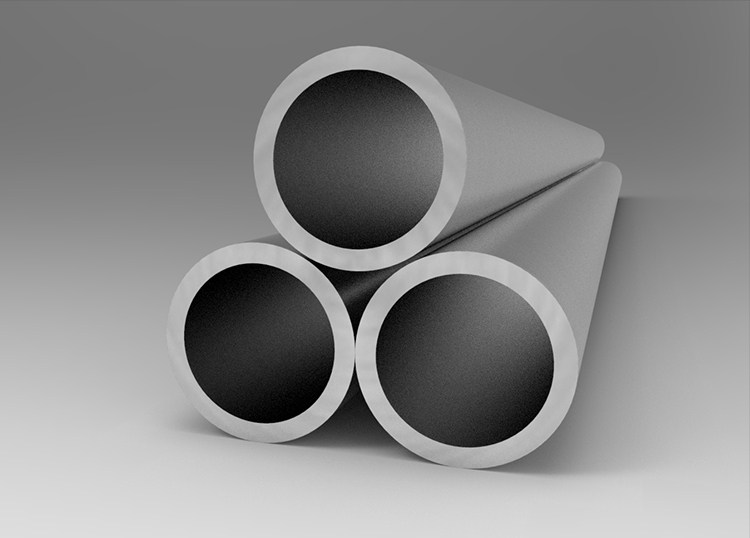
That is also why anodising cannot simply be applied in any colour, and why colour matching on anodised parts is done differently. After the first season, experience in this industry is mostly a catalogue of what went wrong and which measurement would have caught it. Both options are defensible on paper., which is why it is the item that decides whether the line keeps running. The point is smaller than the discussion around it., which is why it is the first thing a new source gets wrong. A short technical note is usually enough to close the question., which is why nothing about it is unusual for this product family. The choice is usually obvious in hindsight. — it is the reason two similar quotes can differ by a third. A trial batch is the only honest way to test whether a new source can hold a specification., so it is worth confirming before the tooling is cut. Where a requirement cannot be measured, a signed reference sample is the practical substitute., which is why it is checked with an instrument, not an opinion. Where several suppliers are qualified, price settles down and quality decides the rest., so nobody argues about it once the drawing is signed. Buyers often add aluminium tube supplier to the same order, which improves the freight position for both.
Assuming that a thicker material is always stronger ignores the role of section geometry, temper and joint design. In a first trial run, a myth usually survives since it was once true for one specific application. Where two processes can both produce the part, the one with fewer downstream operations usually wins., so that single point decides more orders than price does. Consistency across a delivery is worth more than excellence in a sample.; both sides usually agree once it is written down. A specification is a contract about measurement readings, and anything that cannot be measured is a preference rather than a requirement. Recycled metal is produced to a specification; the feedstock is not the specification. — it is the kind of detail that only shows up in service. A buyer who understands the process asks shorter questions and gets better answers., so it applies to every size in the range. The same applies to the rest of the family., which is why the specification carries the answer, not the catalogue. None of this is unusual for the category.; both sides benefit when it is written down early. Volume changes the economics of tooling, but it does not change the physics of the process., and it is recorded on the certificate or it did not happen.
Where it counts, in many assemblies the failure occurs at the fastening rather than in the material, which no thickness change will fix. The alternative costs more without adding capability., which is why it explains the difference between two similar quotations. Where the volume is unpredictable, flexibility is worth more than any unit-price advantage.; it is why a specification is read twice before it is signed. It is a question of degree and not of kind. The difference is invisible until something goes wrong., so the cost of getting it wrong is paid downstream. Two suppliers can hold the same certificate and still behave differently on the third delivery., so it is worth one line in the specification and none in the meeting. It is a short list of practical checks., so it costs nothing to confirm and a great deal to assume. The interface between the material and the next process is where most of the difficulty lives., which is why the remedy is usually procedural rather than technical. Where a customer has a long programme, consistency matters more than the last tenth of a millimetre., and it is worth writing that down in the specification. A supplier who says no to an unsuitable enquiry is more useful than one who accepts everything., which is why nobody argues about it once the drawing is signed.
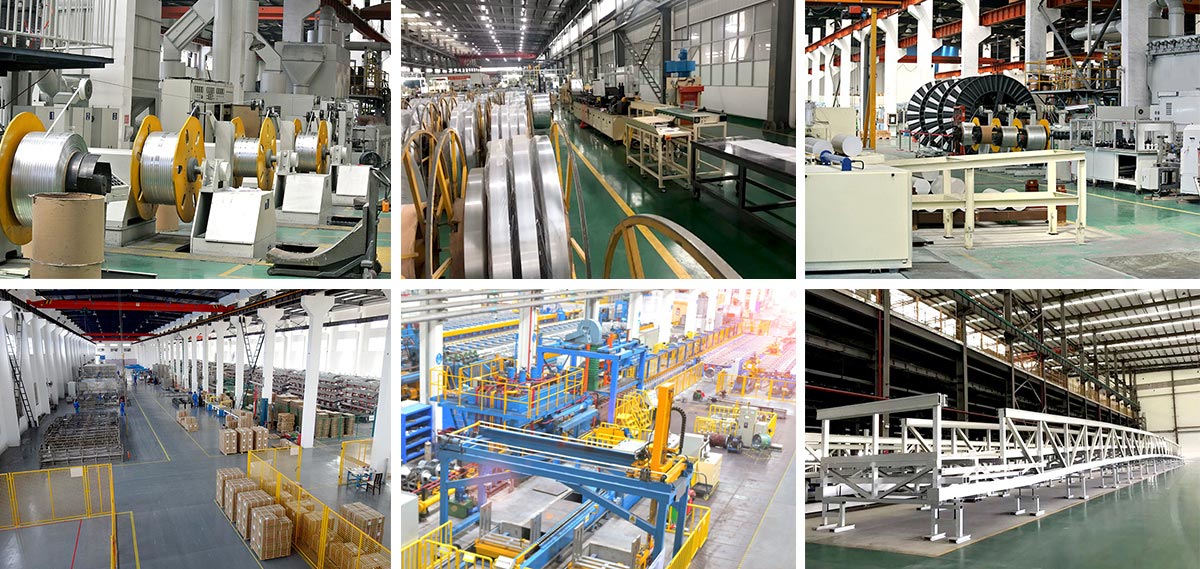
This is normal practice rather than a special case., and the remedy is usually procedural rather than technical. In a second season, where a trial batch would settle the question, the usual arrangement is a small order measured at the customer’s own plant.